
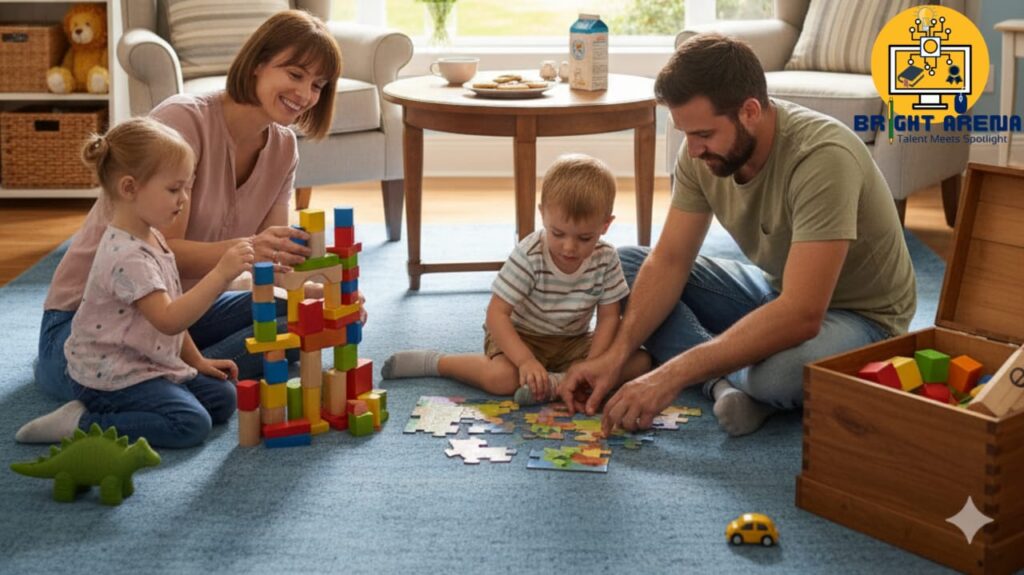
Why Play Matters for Children’s Brains
Play is not just fun for children – it is how they learn and grow. When kids play, their brains work hard to understand the world around them. Play helps children think better, solve problems, and remember things. The Role of Play in Cognitive Development in early childhood.
Read more about bullying among children in school
How Play Helps Learning
Building Thinking Skills
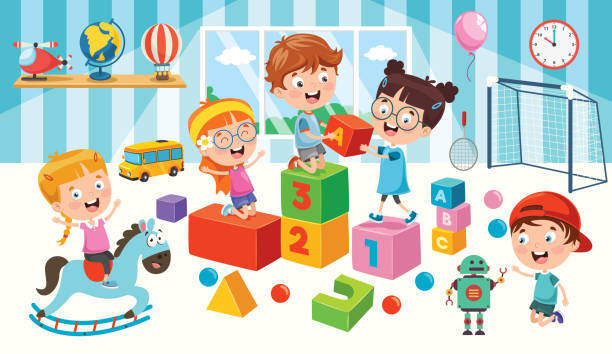
During play, children use their imagination. They create stories, build with blocks, and pretend to be different people. This helps their brains learn to think in new ways.
Problem-Solving Practice
When children play games or work puzzles, they learn to solve problems. They try different ways to make things work. This teaches them to never give up when things get hard.
Memory Development
Playing games with rules helps children remember better. They must remember how to play and follow directions. This makes their memory stronger.
Read more about teaching philosophy….
Different Types of Play
Physical Play: Running, jumping, and climbing help the brain and body work together.
Creative Play: Drawing, building, and making things up helps children think outside the box.
Social Play: Playing with friends teaches children how to share, take turns, and work as a team.
Tips for Parents
- Give children time to play every day
- Let them choose what to play
- Join in their games sometimes
- Keep toys simple – boxes and blocks work great
Conclusion
Play is nature’s way of helping children learn. When we let children play freely, we help their brains grow strong and healthy. Play creates a joyful context for learning, fostering lifelong cognitive abilities necessary for academic success and personal development