
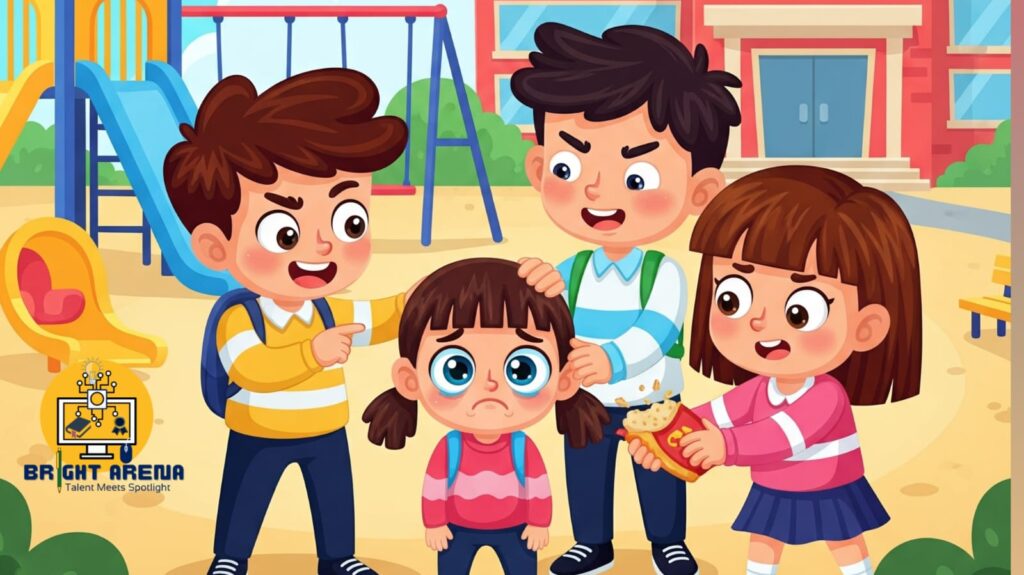
Bullying among children occurs when one child repeatedly harms or intimidates another child physically, verbally, or socially, often exploiting a power imbalance. It can cause serious effects on the child being bullied, including low self-esteem, depression, anxiety, poor school performance, and social isolation. Children Bullying among Children in school who bully others may do so due to various reasons such as needing power or attention, experiencing trauma, lacking empathy, or feeling insecure themselves.
10 Tips to succeed in GAT General Test
Types of Bulling
- Physical Bullying – hitting, pushing, or damaging belongings.
- Verbal Bullying – teasing, insulting, or name-calling.
- Social Bullying – excluding someone from groups or spreading rumors.
- Cyberbullying – using phones or the internet to threaten or humiliate others.
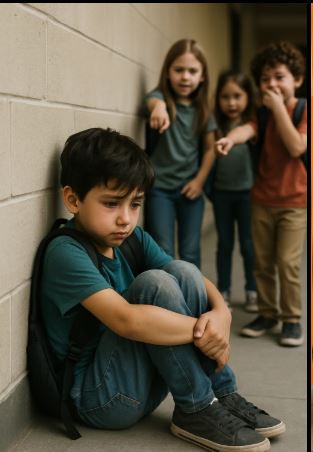
Effects of Bullying on Children
Children who are bullied may develop mental health problems like depression, anxiety, and even suicidal thoughts.
They can suffer from low self-confidence and increased self-criticism.
Bullying victims may isolate themselves socially, avoiding friends and family, and lose interest in school and activities.
Ethical and respectful behavior is crucial for prevention, as bullying impacts both victims and perpetrators negatively.
How to improve kids personality?
Conclusion
Bullying is not just normal behavior but a serious problem with lasting effects that requires attention and action from parents, schools, and communities to help both the children who are bullied and those who bully other.